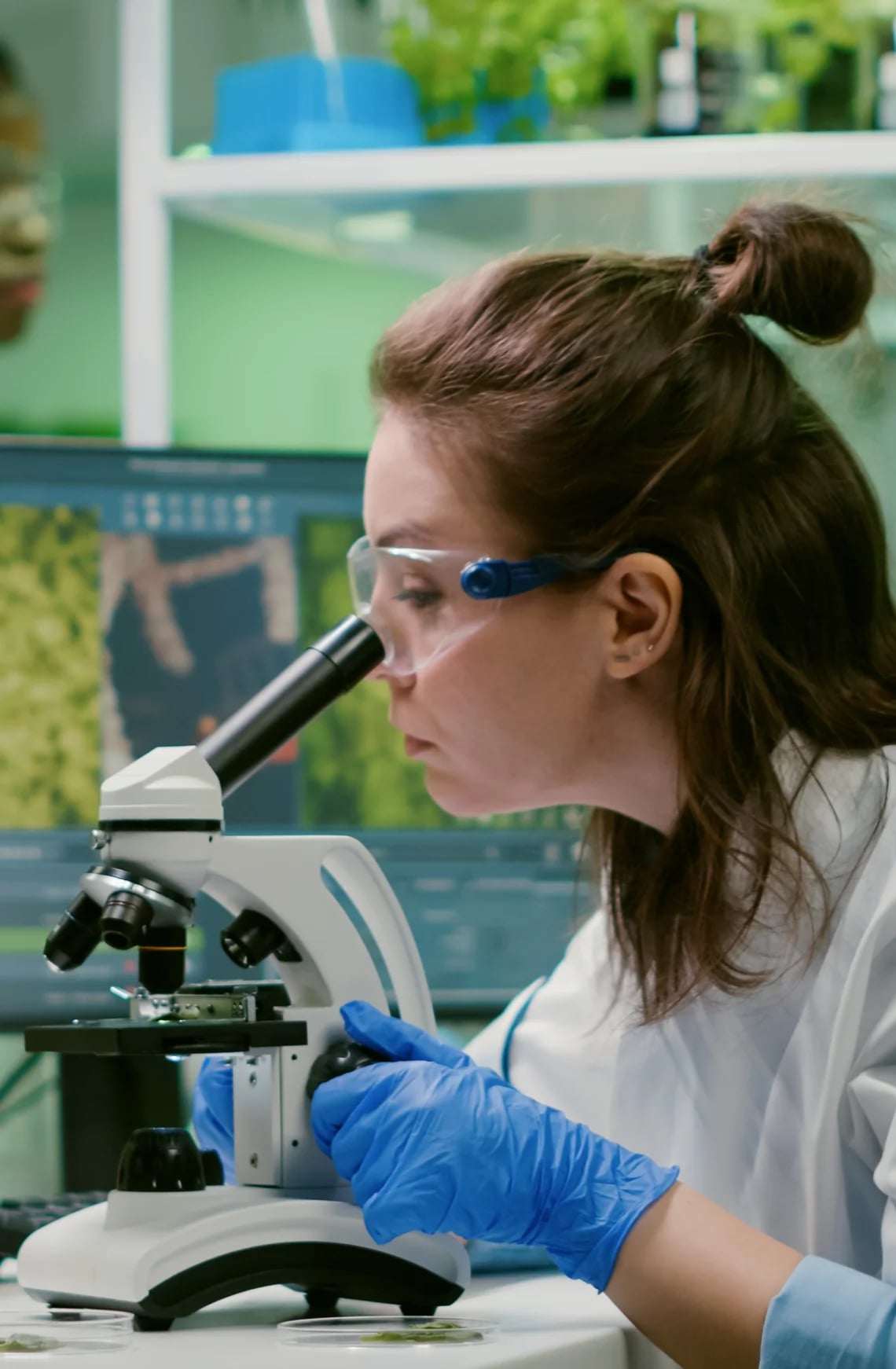





Advancing Medicine Through Ethical Animal Research
FBR is the leading voice supporting the humane animal research in scientific research that saves lives and improves health for humans and animals alike.



From Research to Real-World Treatments
The Making Medicine campaign shows how ethical animal research helps create the medicines and vaccines we rely on every day.
Why It Matters
The Critical Role of Animal Research in Modern Medicine

Animal research is essential to understanding disease, developing safe treatments, and improving health for both humans and animals. It forms the foundation of nearly every major medical breakthrough.

Drives Scientific Discovery

Enables Safe Treatments

Benefits Animal Health Too

Leads to Breakthroughs
Coming Soon: National Polling Insights
How the Public and Professionals View Animal Research

In partnership with Ardelis Health, FBR is conducting a three-part strategic research initiative to better understand attitudes toward biomedical research involving animals. These insights will help shape FBR’s next national awareness campaign.
- Stakeholder Interviews: In-depth conversations with researchers, veterinary students, and veterinarians to identify key themes and concerns.
- Social Media Landscape Analysis: Tracking online conversations and influential voices—both supporters and critics—to map public sentiment.
- Quantitative Survey: A national survey of 2,600 U.S. adults and 300 professionals to assess awareness, beliefs, and openness to change.
Results will be shared soon.

Not the Same as Animal Testing
Animal research focuses on understanding how the body works, not just testing products.
A Foundation of Discovery
It helps scientists understand how diseases form and spread.
Guides Medical Breakthroughs
Animal models help develop and test lifesaving treatments.
Benefits Humans & Animals
From lab work to veterinary advances, the research helps all species.


From Discovery to Better Lives
Learn how biomedical discovery happens—from understanding disease to creating safe, effective treatments. Through responsible, humane animal research, scientists are improving and saving lives while upholding the highest ethical standards.


Built on Standards
Better Regulations. Better Science. Better Lives.
At FBR, we believe that scientific advances should never come at the expense of animal care. Every study we support or promote follows strict regulatory standards to ensure the highest levels of welfare. When animals are protected, science thrives — and so does public trust.
FBR also works closely with the National Association for Biomedical Research (NABR), which advocates for policies that enable responsible animal research to advance both human and animal health.
Partner in Success
Help Us Create a Healthier Future — Together
Your support fuels ethical research that drives real cures. Help reduce disease, ease suffering, and improve lives for generations.

Advance Ethical Research

Educate & Inform

Create Lasting Impact

Promote Global Health
Protecting Research Through Outreach
Effective Communication Strategies Against Activist Disruption
FBR partners with scientific institutions and communication experts to identify, address, and correct misleading claims about animals in research. Our goal is to ensure the public receives accurate, evidence-based information.
We closely monitor the evolving strategies of animal rights groups that aim to disrupt or discredit humane biomedical research. Through detailed reports, we equip research institutions with the knowledge needed to anticipate and respond to these tactics.
FBResearch helps organizations develop effective communication strategies that build trust, educate communities, and protect the future of ethical scientific research. Transparent, proactive messaging is key to gaining and maintaining public support.

Critical Contributors to Medical Development
Why Long-Tailed Macaques Are Essential to Breakthrough Science
Sharing over 90% of their DNA with humans, long-tailed macaques are vital for developing treatments for cancer, depression, hypertension, and rare diseases. Highly regulated and ethically studied, these primates play an irreplaceable role in advancing lifesaving therapies — including vaccines and gene-editing breakthroughs. Without them, thousands of promising drugs could face critical delays.
When Science Meets Love
FBR Real Pet StoriesTM

Arrow’s Story: How a Loving Home Helped a Poodle Overcome Trauma

Kitten’s Story: Living With Feline Immunodeficiency Virus

Fifi’s Story: My Retired Racing Greyhound Beat

Clyde’s Story: My Best Friend’s Cancerous Tumor Shrunk After Cryotherapy

Judy’s Story: My Retired Research Beagle Is a Hero

Bare’s Story: Our Journey Through Canine Epilepsy

Minnie’s Story: My Cockapoo No Longer Has Seizures After Taking Medication

Allegro and Cadence’s Story: My Rescue Ponies


Love Animals? Support Animal Research
Support Research That Helps Pets and People
From cancer in dogs to cataracts in cats, animals face many of the same health challenges as humans. Thanks to responsible animal research, treatments once created for people are now saving pets, too. Supporting this research means better medicine, safer procedures, and longer, healthier lives — for both humans and their animal companions.
Stay Informed
The Latest from FBR
Researchers successfully transplanted pig kidneys that had been vitrified at -150°C and stored for months, including one for -More-
Read Article about Pig kidneys survive more than a year in frozen storage-More-
Read Article about Zebrafish provide faster model for alcohol withdrawalResearch with macaques in the 1990s led to the discovery of mirror neurons, which fire when an animal performs an action and -More-
Read Article about Animal studies advance understanding of mirror neuronsCheck out FBR's 2025 Annual Report, highlighting a year of expanded efforts to advance public understanding of the role of an -More-
Read Article about Take a look at FBR's 2025 Annual ReportResearch with mice produced the first detailed 3D map of lipids across the brain, identifying 539 chemically distinct regions -More-
Read Article about Mice uncover new layer of brain organizationResearchers identified and characterized pig T follicular helper cells, showing how different populations support long-lastin -More-
Read Article about Pig research could improve vaccine developmentThe "immortal jellyfish," Turritopsis dohrnii, can revert from its adult form to an earlier life stage, with some cells retur -More-
Read Article about Immortal jellyfish could inspire treatments for age-related diseaseA small-molecule Alzheimer's disease treatment targeting the TREM2 receptor on microglia reduced neuronal damage and inflamma -More-
Read Article about Alzheimer's drug shows promise with mice and peopleA study of 894 pet dogs found that larger dogs showed signs of faster molecular aging based on age-related changes in DNA met -More-
Read Article about Dog study links body size to accelerated agingFBR has released a brochure on the top 25 prescription drugs made possible by animal research. -More-
Read Article about Order your Top 25 Prescription Drugs BrochureA study with mice found a biomaterial inspired by the protective coating of human egg cells can shield transplanted insulin-p -More-
Read Article about Egg cell-inspired material may protect islet cells-More-
Read Article about Viral adaptations may help bats resist cancer and agingFBR's newly revised Animal Research Success brochure includes updated information on medical breakthroughs made possible thro -More-
Read Article about Updated Animal Research Success Brochure Available