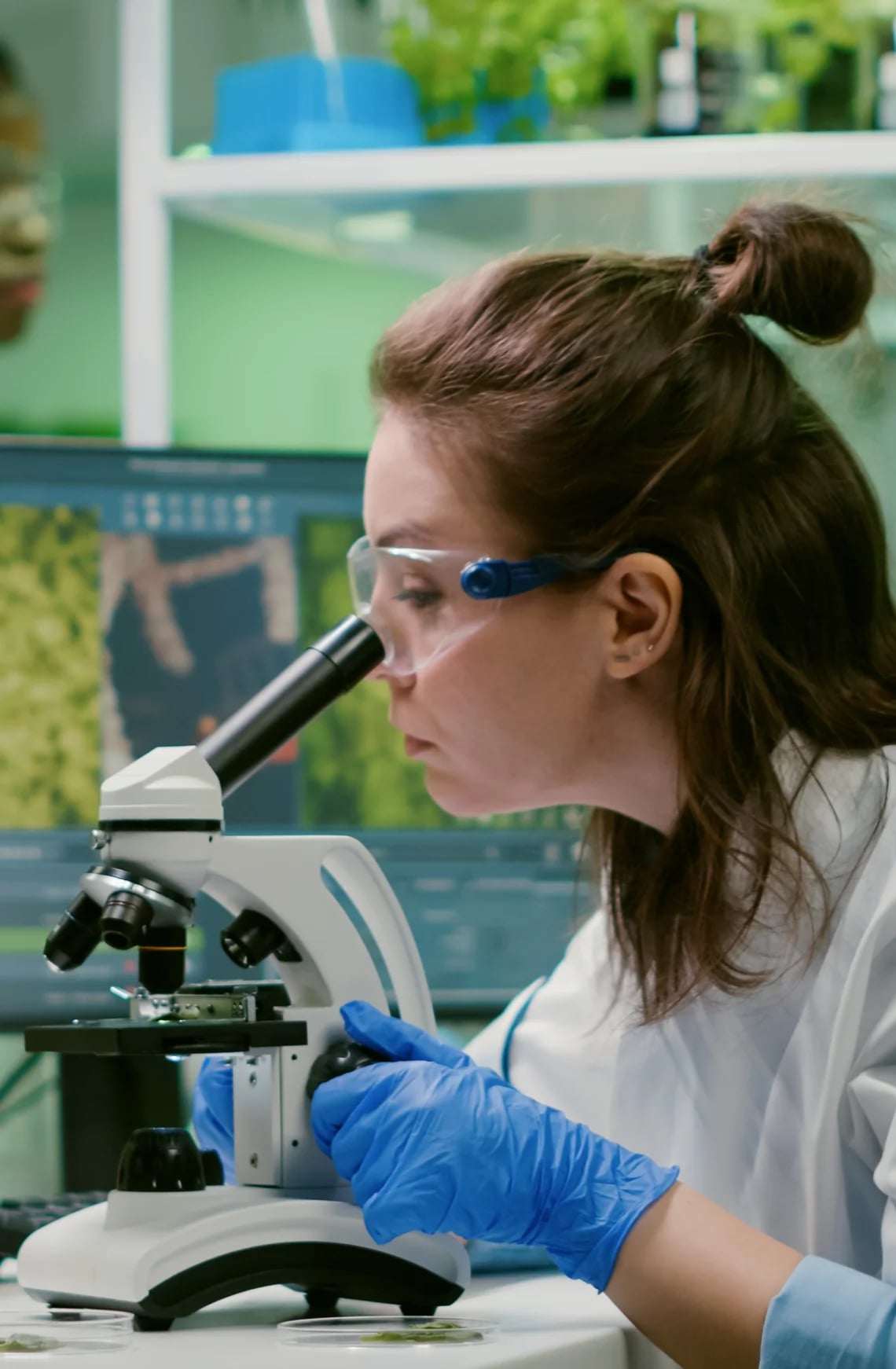

Advancing Medicine Through Responsible Animal Testing
From vaccines to breakthrough therapies, responsible animal testing has been vital to developing safe, effective treatments and advancing modern medicine.

Before Human Trials Begin
What is Animal Testing?
Animal testing is the use of animals in biomedical research to understand how new drugs and treatments affect a living body. Scientists study how medicines are absorbed, processed, and eliminated — and whether they cause any harmful effects.
This essential research happens during the preclinical testing stage, before any human volunteers are involved. It helps ensure that only safe, effective therapies move forward to clinical testing.
Ensuring Safety Before Human Trials
Why Animal Testing Is Required for Drug Safety

Detects Toxicity Early

Determines Safe Dosage

Evaluates Organ Health

Protects Human Volunteers

Global Standards for Safety
Required by Law and Regulators
Regulatory agencies in the United States and around the world require animal testing data before approving human clinical trials. This ensures that every new treatment meets strict safety and ethical standards before reaching patients.
- Investigational New Drug (IND) Applications: Animal testing data supports initial safety submissions.
- FDA Review Prior to Human Testing: The U.S. Food and Drug Administration evaluates results to confirm readiness for clinical trials.
- Ongoing Safety Evaluation: Continued testing helps refine dosage and monitor long-term effects.
Ethics and Oversight
Is Animal Testing Regulated?
Animal testing in the United States is governed by strict laws and oversight. Each study must justify its use of animals, minimize numbers, and ensure humane care at every stage.

The Animal Welfare Act

Public Health Service (PHS) Policy

Institutional Animal Care and Use Committees (IACUCs)

Voluntary AAALAC Accreditation
Innovating for the Future
Are There Alternatives to Animal Testing?
Scientists are developing promising alternative methods — including computer modeling, cell-based systems, organoids, and advanced imaging. These alternatives to animal testing model specific biological processes but do not yet replace the whole-organism data required for comprehensive drug safety testing. Animal testing remains essential for understanding how medicines affect the whole body.

Predictive Digital Simulations
Uses advanced algorithms to model biological systems and forecast drug behavior before testing begins.
Studying Drugs at the Cellular Level
Tests how treatments interact with specific human or animal cells to assess effects on a smaller scale.
Miniature Models of Real Organs
Lab-grown organoids replicate human tissues, offering insight into disease and treatment responses.
Visualizing Science in Motion
Enables researchers to observe biological processes and treatment effects in real time.
The Impact of Responsible Research
Animal Testing Saves Lives
Many of today's life-saving treatments — from cancer therapies and heart medications to vaccines and rare disease cures — were made possible through responsible, ethical animal testing. Without these studies, modern medicine as we know it would not exist.
The 3Rs: Replacement, Reduction, and Refinement
The 3Rs are the foundation of ethical animal testing and animal research. They guide scientists to replace animals where possible, reduce the number used, and refine methods to minimize discomfort. This framework ensures preclinical testing is conducted responsibly and only when scientifically necessary — maintaining the highest standards of animal welfare and patient safety.

Replacement
Use non-animal methods — like computer models or cell cultures — whenever possible.
Reduction
Minimize the number of animals used while ensuring reliable scientific results.
Refinement
Improve care and procedures to reduce pain, stress, and discomfort.Common Questions
Frequently Asked Questions About Animal Testing
Find answers to common questions about why animal testing is used, how it is regulated, and the role it plays in developing safe and effective medical treatments.
Yes. The FDA still requires preclinical animal testing data before any new drug can proceed to human clinical trials. While the FDA Modernization Act 2.0 (passed in 2022) removed the legal mandate to include animals as the only option, it did not in any way eliminate animal testing — it simply allowed for additional methods to be considered alongside animal data. Animal testing remains the regulatory standard for drug safety submissions.
Preclinical animal testing typically takes 1 to 3 years before a drug can advance to human clinical trials. This stage tests for toxicity, safe dosage ranges, organ and organ system impacts. The entire drug development process — from discovery through animal testing to human trials and approval — can take 10 to 15 years.
Approximately 90% of drugs that pass preclinical animal testing still fail in human clinical trials. This does not make animal testing ineffective — it means animal testing successfully filters out the most dangerous compounds before they ever reach people. Without it, far more potentially harmful drugs would enter human trials.
Yes. Animal testing is used in the development and safety evaluation of medical devices, not just drugs. Devices such as pacemakers, joint replacements and surgical implants require preclinical testing to assess biocompatibility and safety before use in humans.
Animal testing specifically refers to safety and toxicology testing conducted during drug development — evaluating whether a substance is safe for use in humans. Animal research is a broader term that includes all scientific studies with animals, including understanding disease mechanisms, developing surgical techniques and advancing veterinary medicine. All animal testing is animal research, but not all animal research is animal testing.

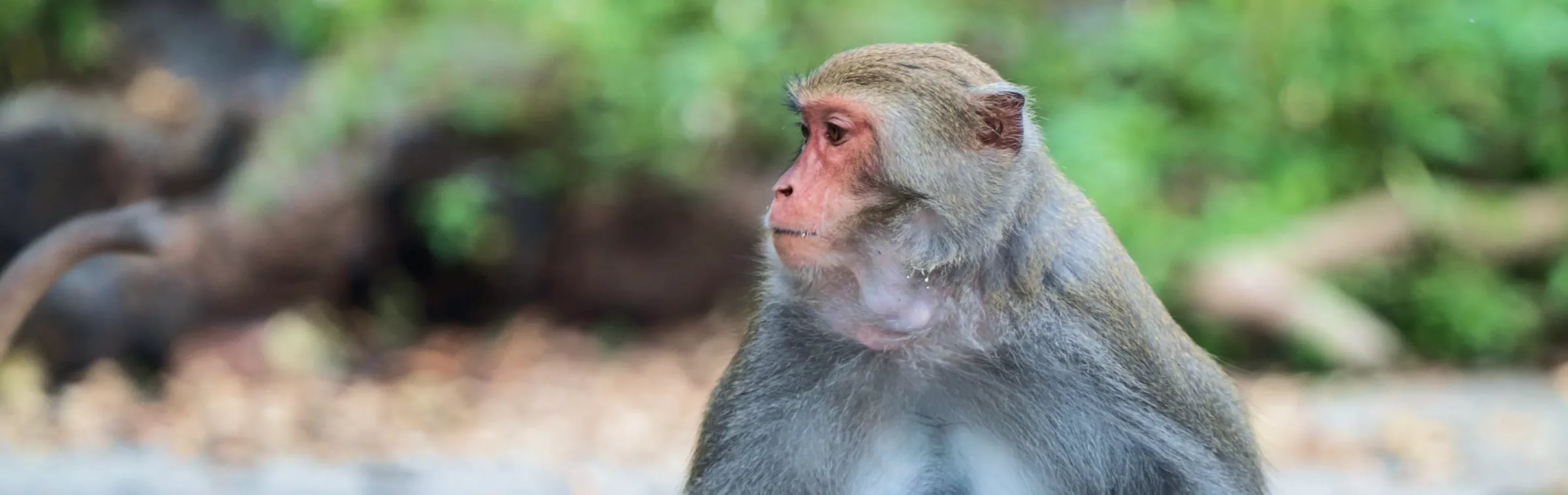
Support the Science Behind Every Breakthrough
Since 1981, FBR has championed ethical animal testing and animal research to drive innovation in medicine. Your support helps us continue educating the public and empowering the research community to improve lives across species.