
Animal Research Behind the 2026 Lasker Awards


From Animal Research to Medical Breakthroughs
The Lasker Foundation announced its 2026 award recipients, recognizing groundbreaking work that has expanded our understanding of human health and advanced treatments for serious diseases.
This year's awards also highlight important examples of how animal research has contributed to discoveries and medical treatments.
Orexin and the cellular biology of sleep
The Albert Lasker Basic Medical Research Award honors Emmanuel Mignot and Masashi Yanagisawa for discovering orexins, neuropeptides that trigger brain signals regulating wakefulness and narcolepsy.
Animal research was central to this discovery. Mignot studied canine inherited narcolepsy in Doberman pinschers and Labrador retrievers, ultimately identifying mutations in the orexin receptor-2 gene and determining these orexin receptor-2 mutations cause narcolepsy.1 Mignot then observed the same result in people. Yanagisawa's research included studies with rats and genetically modified mice, which revealed that loss of orexin signaling in the brain produces narcolepsy-like sleep abnormalities.
Mignot and Yanagisawa’s discoveries have delivered orexin receptor blocking treatments for insomnia that avoid many problems of traditional sleep aids.

A breakthrough treatment for hemophilia A
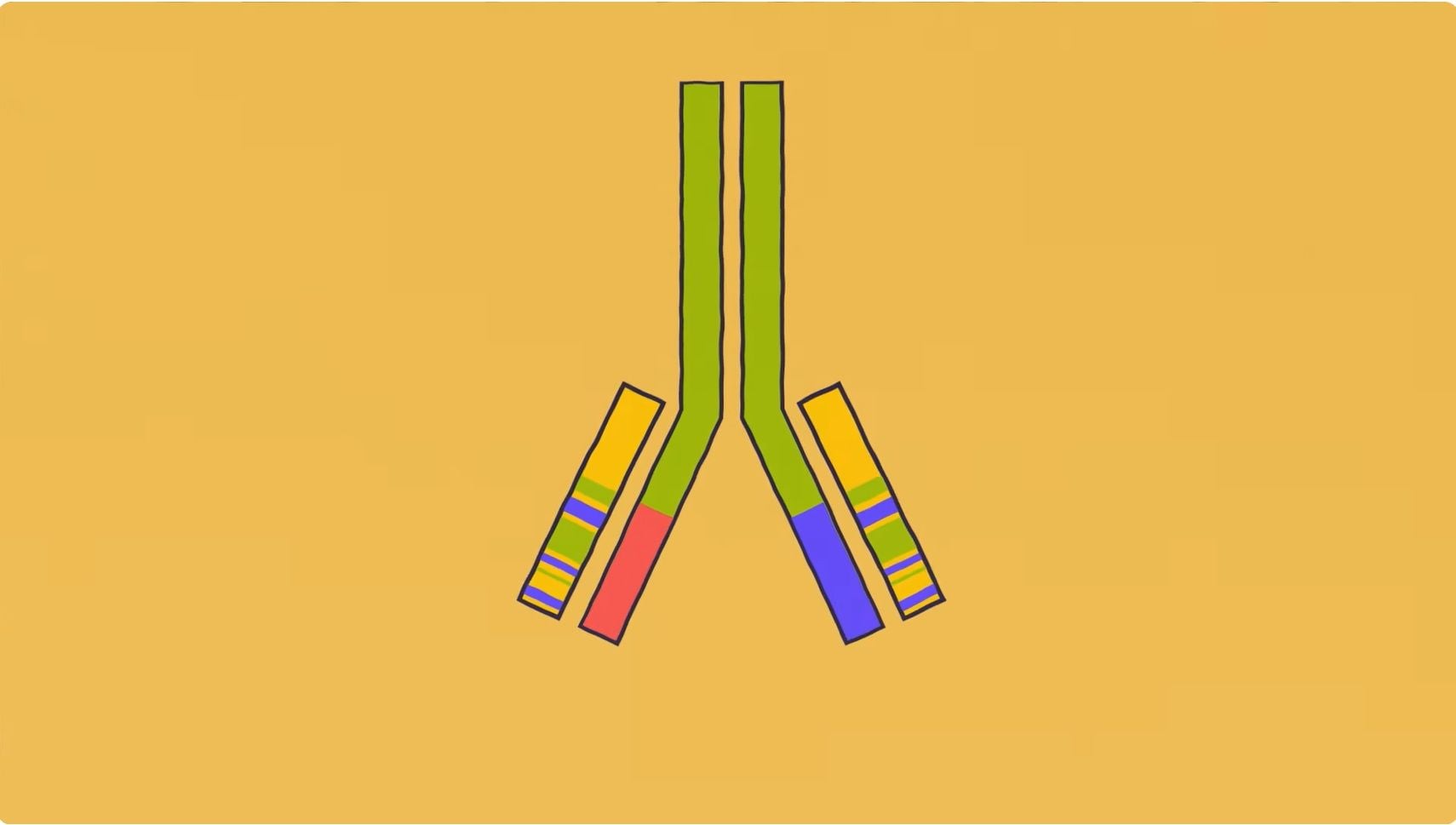
The Lasker~DeBakey Clinical Medical Research Award honors Kunihiro Hattori, Tomoyuki Igawa and Takehisa Kitazawa for developing emicizumab (Hemlibra), a bispecific antibody that mimics the activity of the protein Factor VIII to cleave other proteins and promote blood clotting capacity. People with hemophilia A, a genetic disorder that causes severe bleeding, can prevent dangerous, sometimes life-threatening bleeding with emicizumab.
Animal studies were an important part of the drug's development. Hattori, Igawa and Kitazawa worked with mice,2 rats3 and rabbits4 during the antibody discovery and characterization process, helping identify and refine promising candidates. They then tested the leading antibody with nonhuman primates5 (cynomolgus macaques) with experimentally induced hemophilia A, where it demonstrated an ability to prevent bleeding. These studies helped support the advancement of emicizumab into human clinical trials.
The third 2026 Lasker award, the Lasker~Bloomberg Public Service Award, recognizes Michael J. Fox for his extraordinary advocacy for people with Parkinson's disease and his efforts to accelerate research toward better treatments and a cure.
Congratulations to all of this year's Lasker Award recipients — and to the researchers, patients, research participants and animals whose contributions have helped advance biomedical discovery and improve human health.
References:
1 https://laskerfoundation.org/winners/orexin-a-brain-peptide-that-maintains-wakefulness/#achievement
2 https://laskerfoundation.org/winners/bispecific-antibody-for-treating-hemophilia-a/#achievement
3 https://www.accessdata.fda.gov/drugsatfda_docs/nda/2017/761083Orig1s000MultidisciplineR.pdf
5 https://laskerfoundation.org/winners/bispecific-antibody-for-treating-hemophilia-a/#achievement
(featured image credit: designdio/Adobe Stock)











Leave a Comment